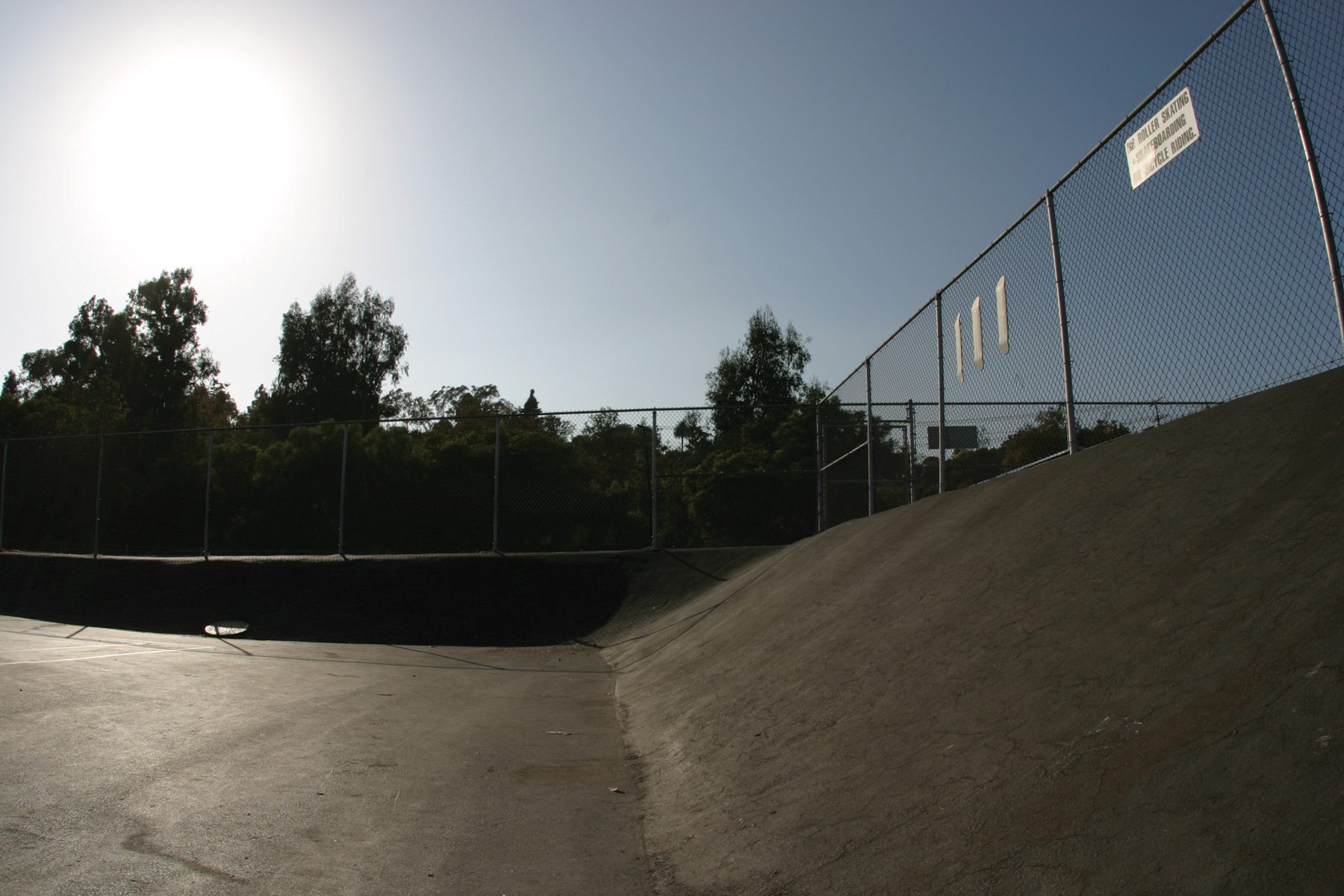
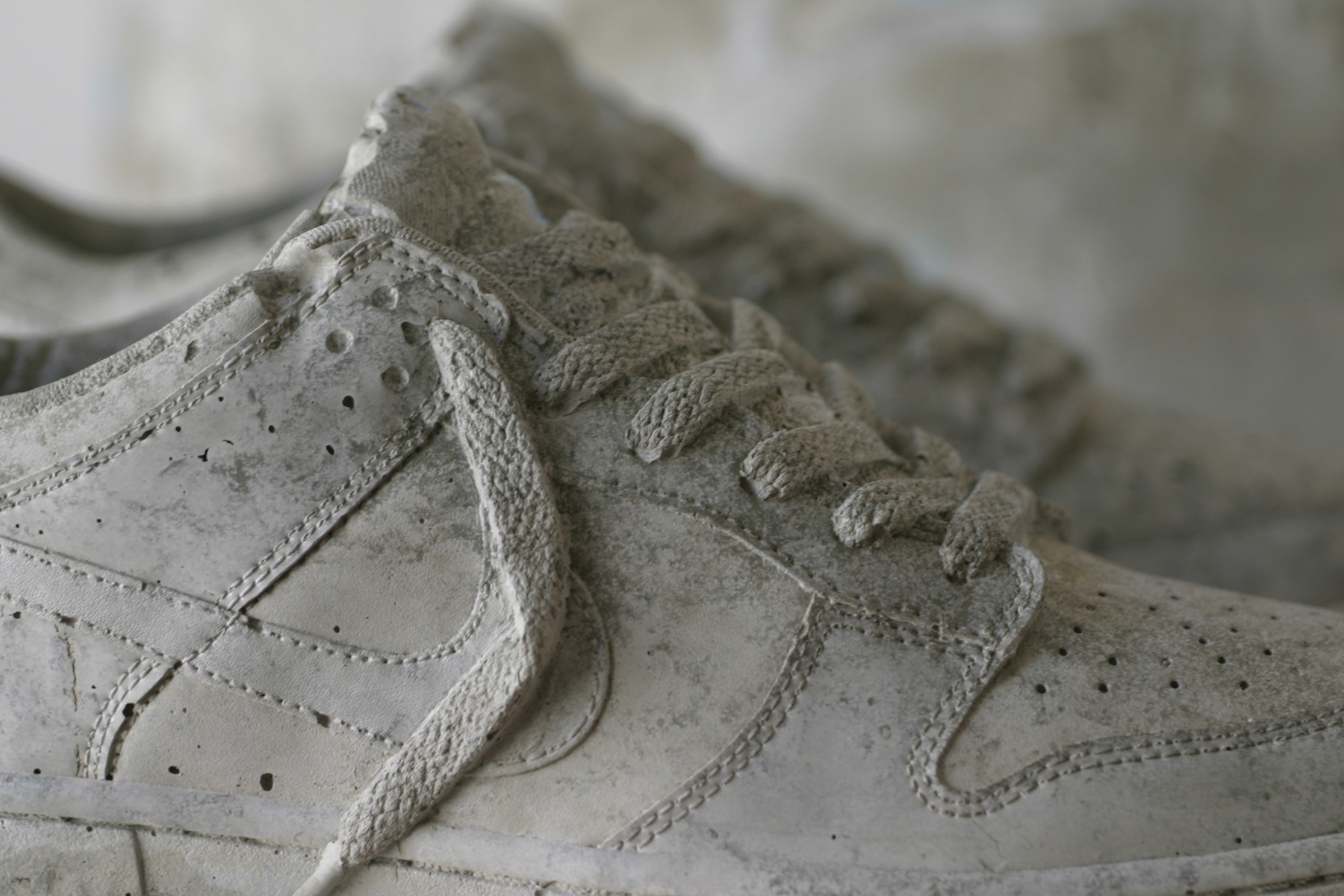
A whole year. Not that it was planned. Slowly the puzzle pieces were coming together, so the timing made sense.
Many people believed that all of it was done at the same time, by a group of people. Some speculated a brand, some art collective. It was one person over four months, then a year of keeping quiet. That's how silence works for the imagination.
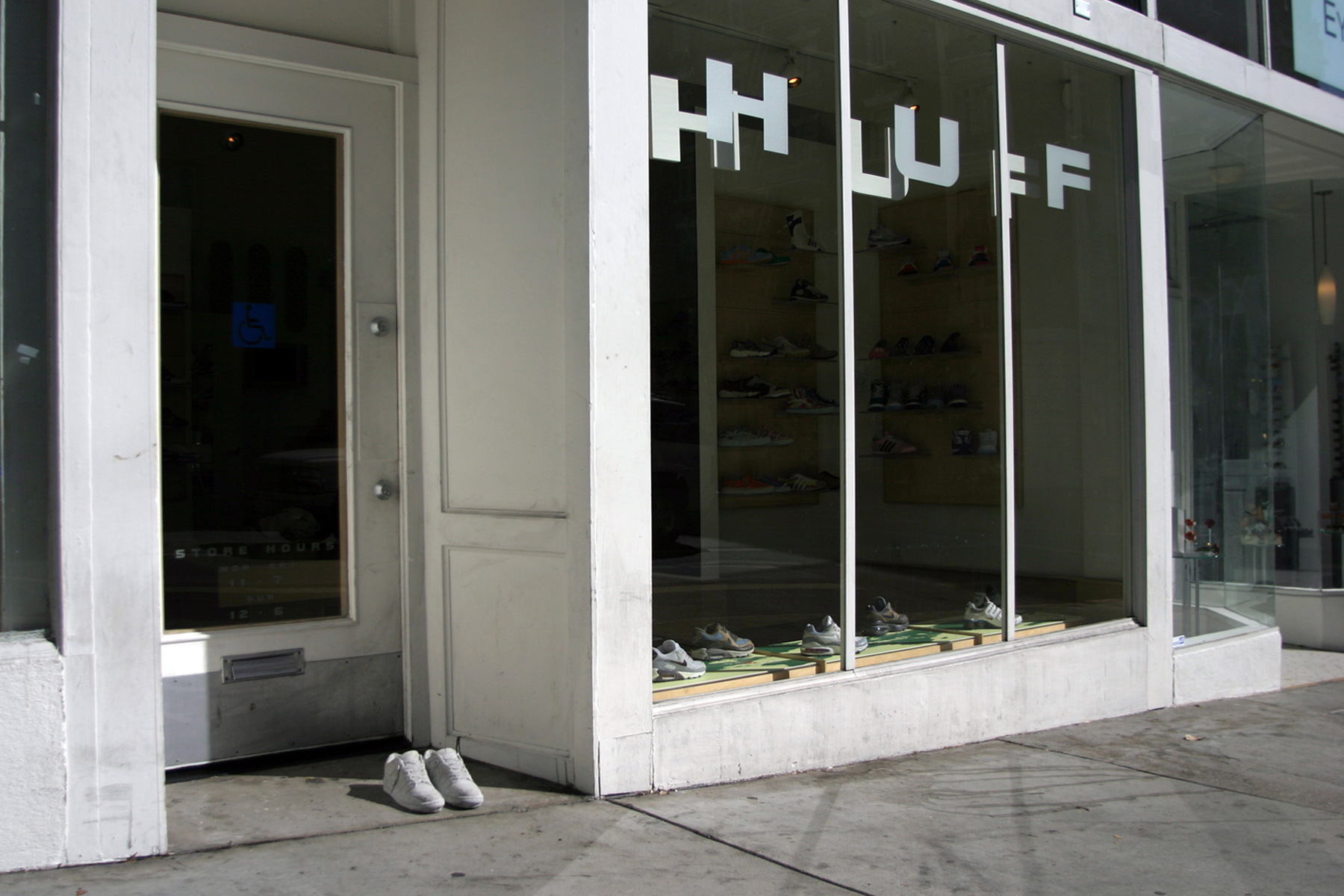
The intention was to show the entire project. Planning, execution, photography documentation, the works. I was monitoring various forums and blogs where the sightings had surfaced. Little by little the talk increased, more images, more people sharing where they had seen them. Los Angeles, New York, even Berlin. At really cool places too. Different stories spread.
At a certain point it all came together. The timing, the documentation, the story. Not long after it would be a full year since I started to project. But more importantly the question I asked myself before I started was beginning to get answered.
Could I create value for something that wasn't the real deal. Not value as in price, but value as in people caring, talking, traveling to see it, and people inventing stories about it.
Brands like Nike create some of the best value mechanisms around sneakers. Limited drops, geographic exclusivity, the inside track you have to know somebody to get on, the gatekeeper boutiques deciding who gets what. The Dunk in 2004 was at the center of all of it. At those stores in those cities.
Street art had a different mechanism running on related principles. Anonymous placement, illegal install, concrete as literal city fabric, the city as co-author.
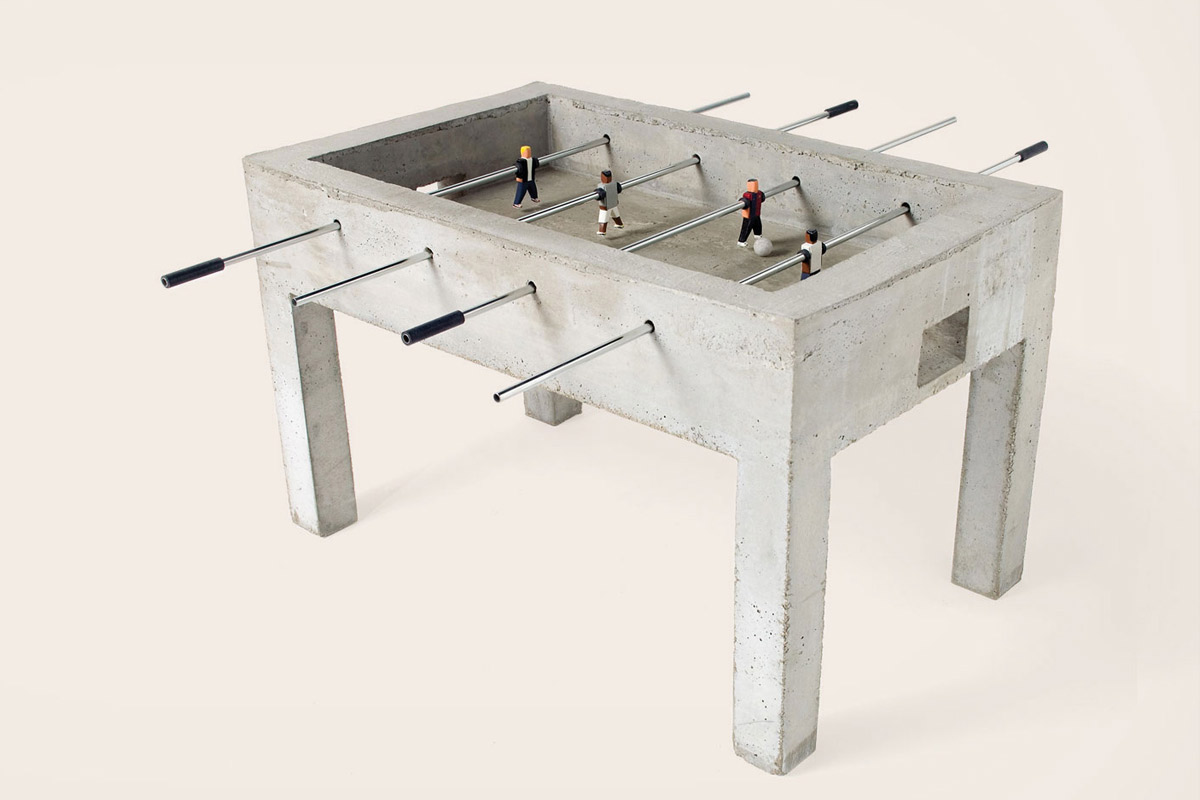
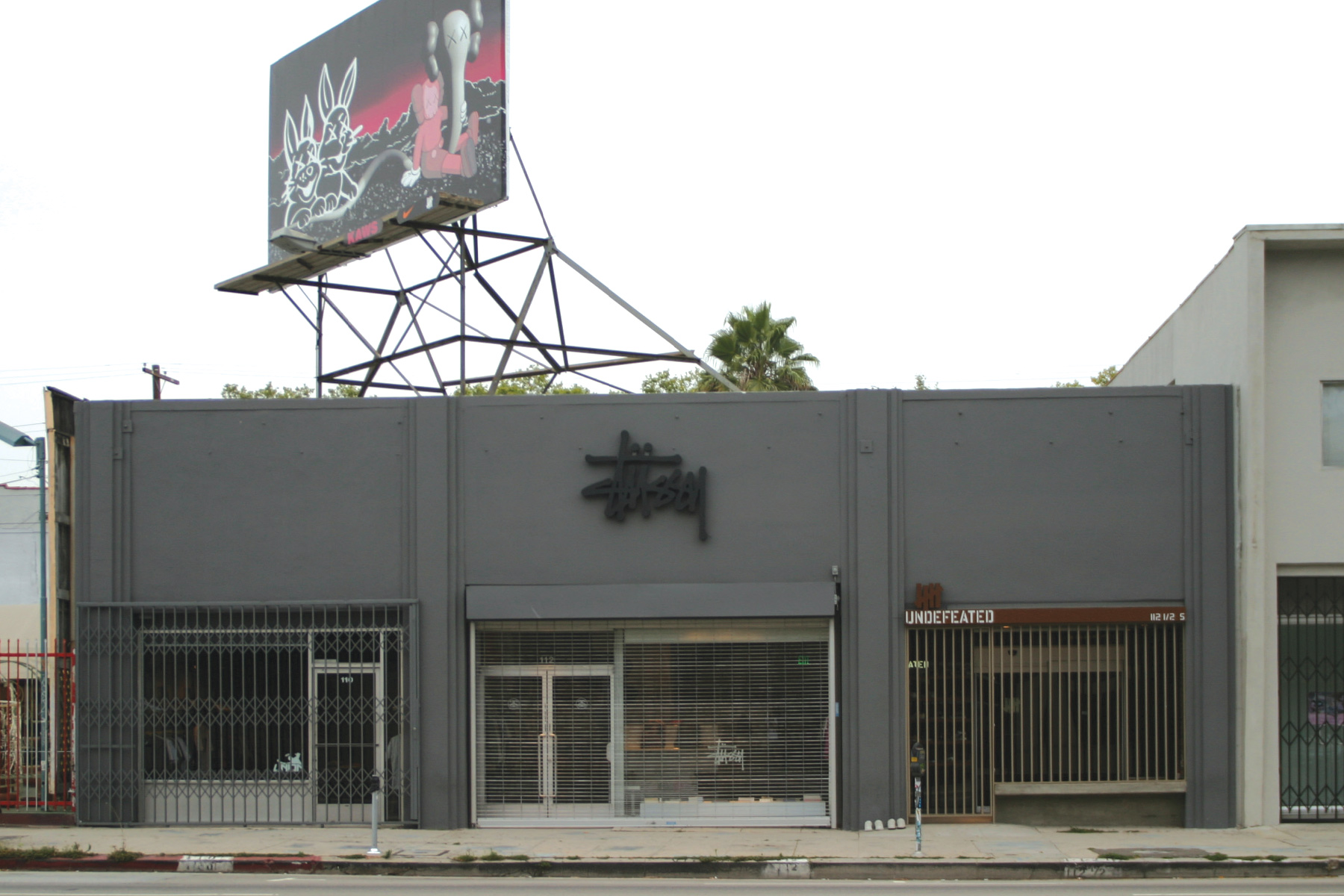
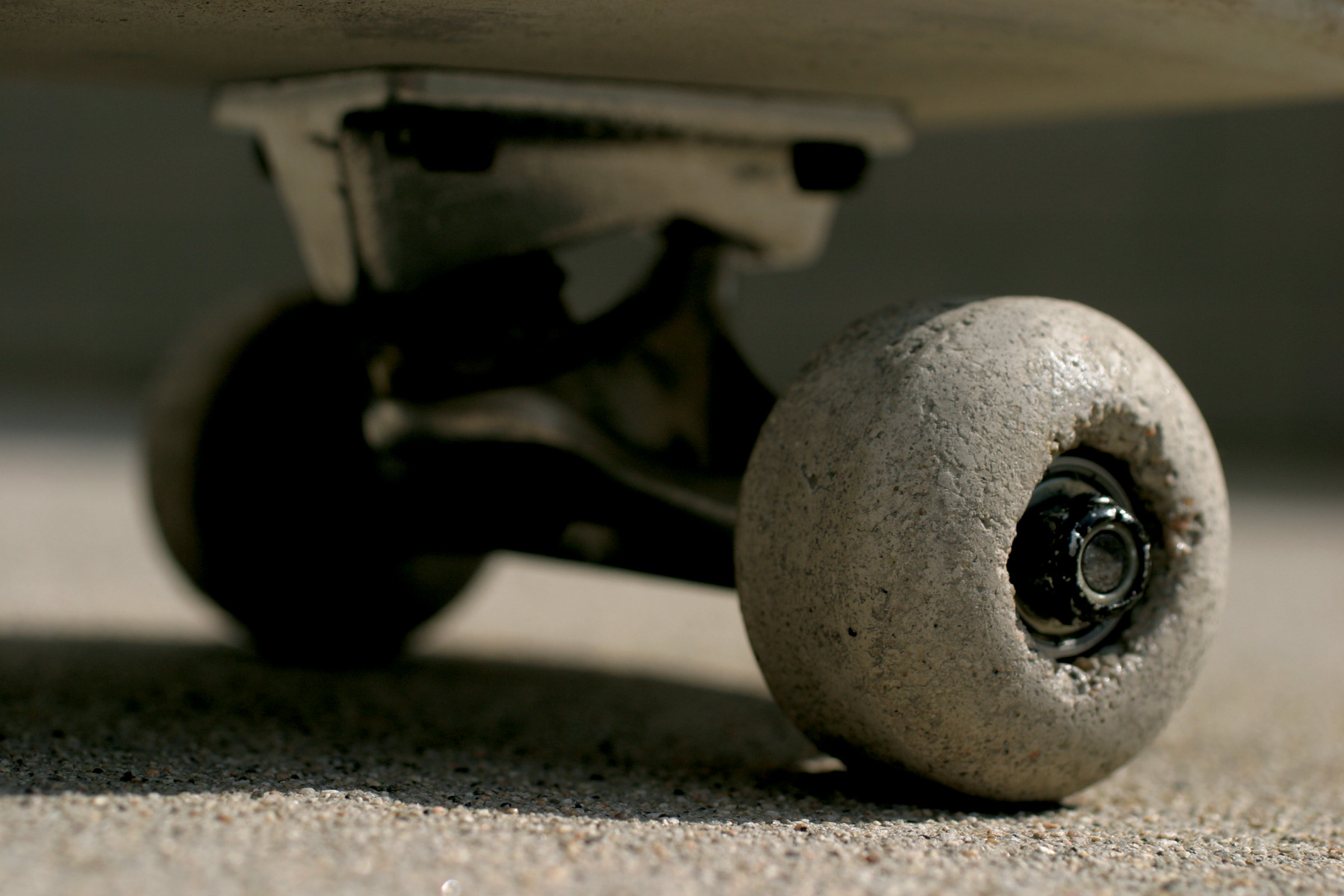
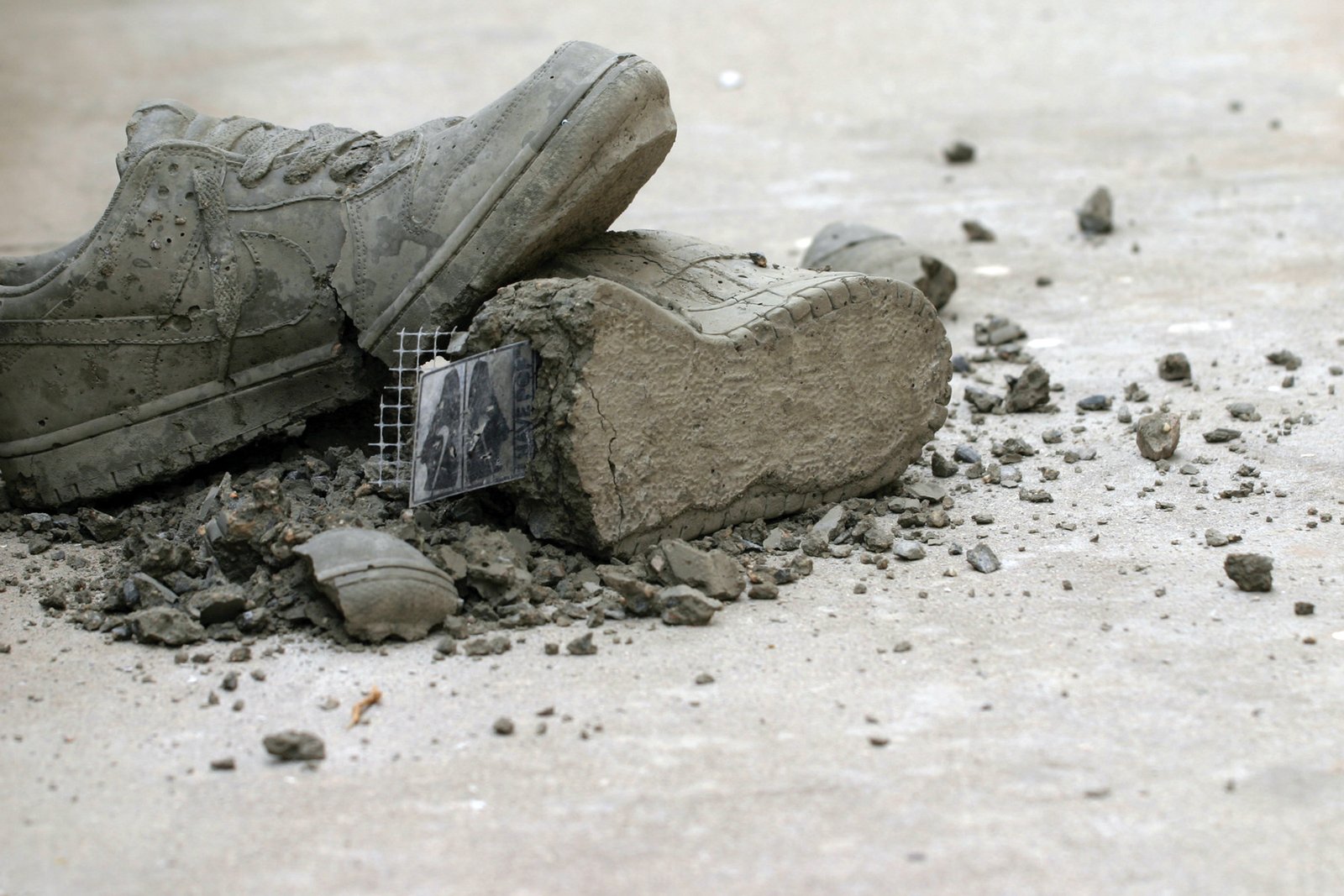
They say Just Do It. So, I cast ten pairs of concrete replica Nike Dunks and placed them illegally outside the most respected sneaker stores in cities across Europe and North America. A card inside each pair listed the date and city. Then I left and just documented the process.
A year later: 1.5 million page views in two weeks, exhibition requests, magazine coverage, people offering serious money for them.
Make something that gets attention and business comes.
They had seen the Concrete Dunks project. The buzz, the 1.5 million page views, the moment, all on a travel budget. They wanted in.
I proposed rebuilding it properly. The ten storefronts recreated in actual size, window displays, everything. One leading into the next, so you could walk through each city's drop in sequence. The concrete Dunks placed exactly as they had been. An installation.
They said no.
It was a logical extension and they understood it. But recreating it honestly meant keeping the same conditions. The anonymity no explanation and, most importantly, no Nike.
That was a no go.
This time it was Nike UK. They were celebrating the anniversary of the Air Max 90. A handful of artists were asked to make work for their Niketown flagship in London.
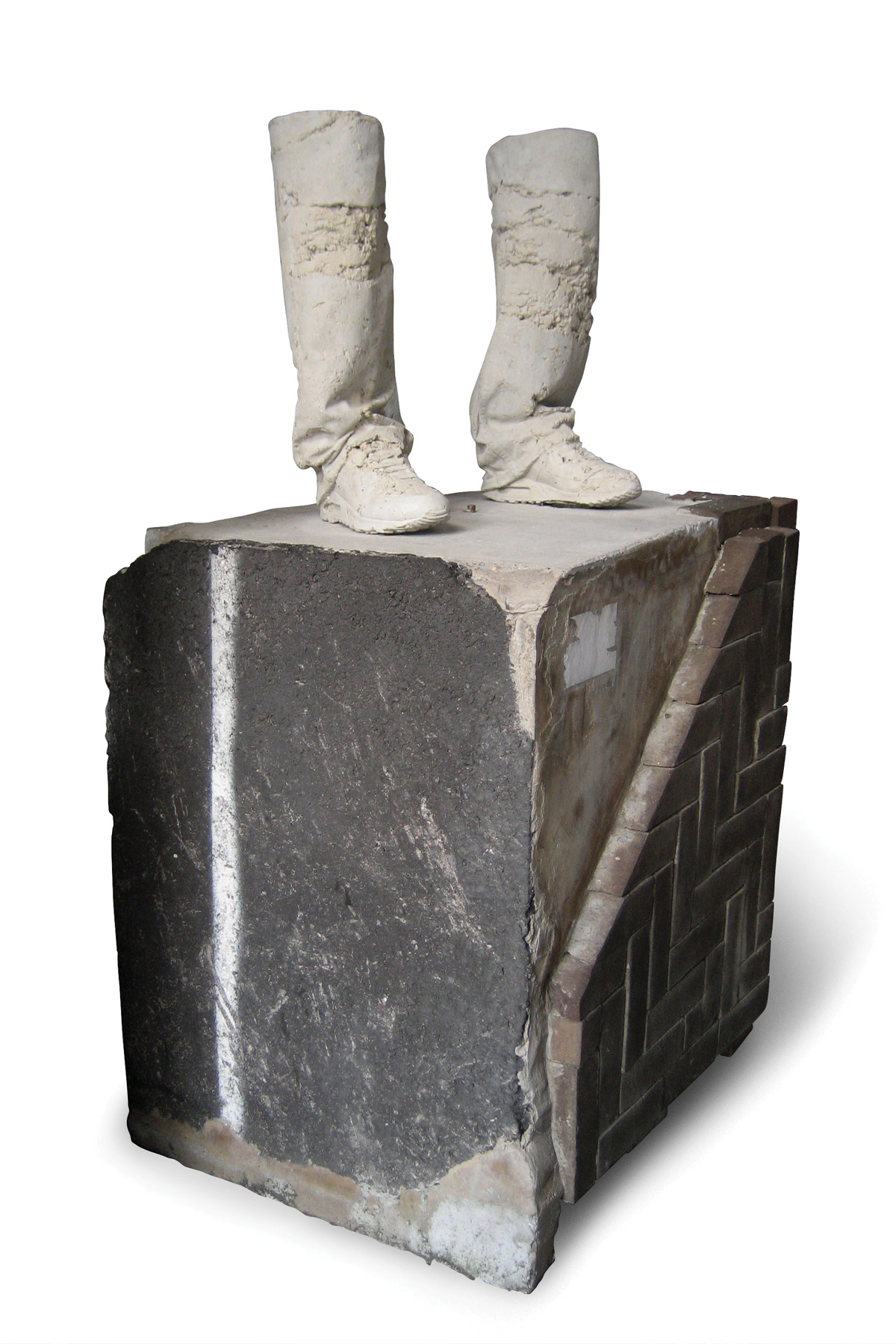
I proposed a monument to chavs. In the UK, "chav" is a derogatory term for working-class kids, usually white, usually from council estates. One of the subcultures that adopted the AM90 as a main signifier. Tracksuits, caps, baggy jeans, the trainers. Without them the AM90 is a running shoe. With them it's culture.
They said no.
About two years later I met someone who'd worked at a boutique agency in Berlin. They'd pitched Ford or Opel or Mercedes (one of those) on honouring the cars that first-generation Turkish families drove from Germany back to Turkey every summer. Loaded to the roof, children in the back. The cars that were trusted to carry a family across a continent and arriving as status objects on the other side. Loved, tested to the limit, made into cultural objects by a community that had no other way to signal arrival. Everything a brand says it wants.
They said no.
The chav in the AM90s, the Gastarbeiter family on the E5 with the roof rack piled high. These are the people who made the product mean something. This is what brands say they want. Cultural relevance, authentic adoption. A product that becomes more than the product. Until you pitch it with the actual people in it.
But I made it anyway. Reframed as a monument to the streets, the piece stood in Niketown for the exhibit. A plinth of asphalt, cobblestones, and bricks. Concrete legs from the knees down, in baggy jeans, wearing AM90s. Exactly the same as it would have been.
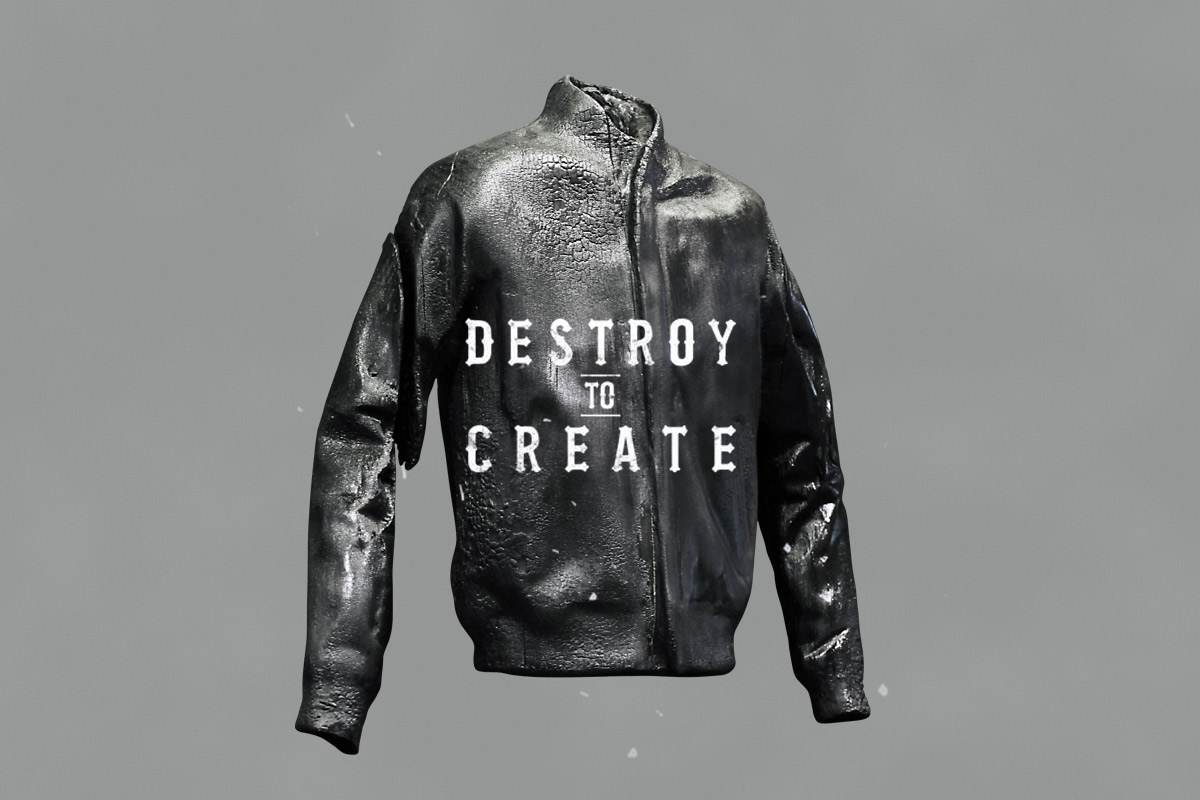
They were launching a new product in London. The concept was Nietzsche's Whoever must be a creator always annihilates. Or in their words: Destroy to Create. They wanted a piece and were thinking concrete. The same material as the Dunks, in the same vocabulary.
I said no.
I made a burnt wooden replica instead. From the original jacket painted white to be 3D scanned, the scan milled into two big blocks of linden wood, the wooden jacket burned with a blue-flame torch, and the burnt surface preserved in clear polyurethane, each step destroyed the previous version to make the next one possible.
The creative destruction, or the destructive creation of the jacket, killed my darlings. No more concrete.
It was displayed in London, then in New York.
Make something that gets attention and institutions come.
Jeder Mensch ist ein Künstler. If everyone's an artist, no-one is.
A museum picks, shows and keeps what they think matters. Centraal Museum embraced Beuys's claim as institutional direction. They opened the doors to invite people in, to share and create together. In practice it meant workshop corners next to the exhibitions. Make something, leave it, or take it home.
The existing identity for the museum is one dot, centered, in a single color. A clear manifestation of the centralized museum idea. But also the opposite of what Joseph Beuys’ idea implies.
I built a web application where anyone could upload an image. An algorithm broke it into colored dots, sized and placed by the colors and relative position in the original, in the museum's identity palette.
Every upload joined every other upload. Many scattered dots, many colors. The museum's identity multiplied by everyone the curators hadn't picked. Phone snapshots, holiday pictures, whatever was on hand. Banal uploads, processed through the institution's own visual language, accumulating into a social sculpture. A Gesamtkunstwerk as an alternate identity for a decentralized museum.

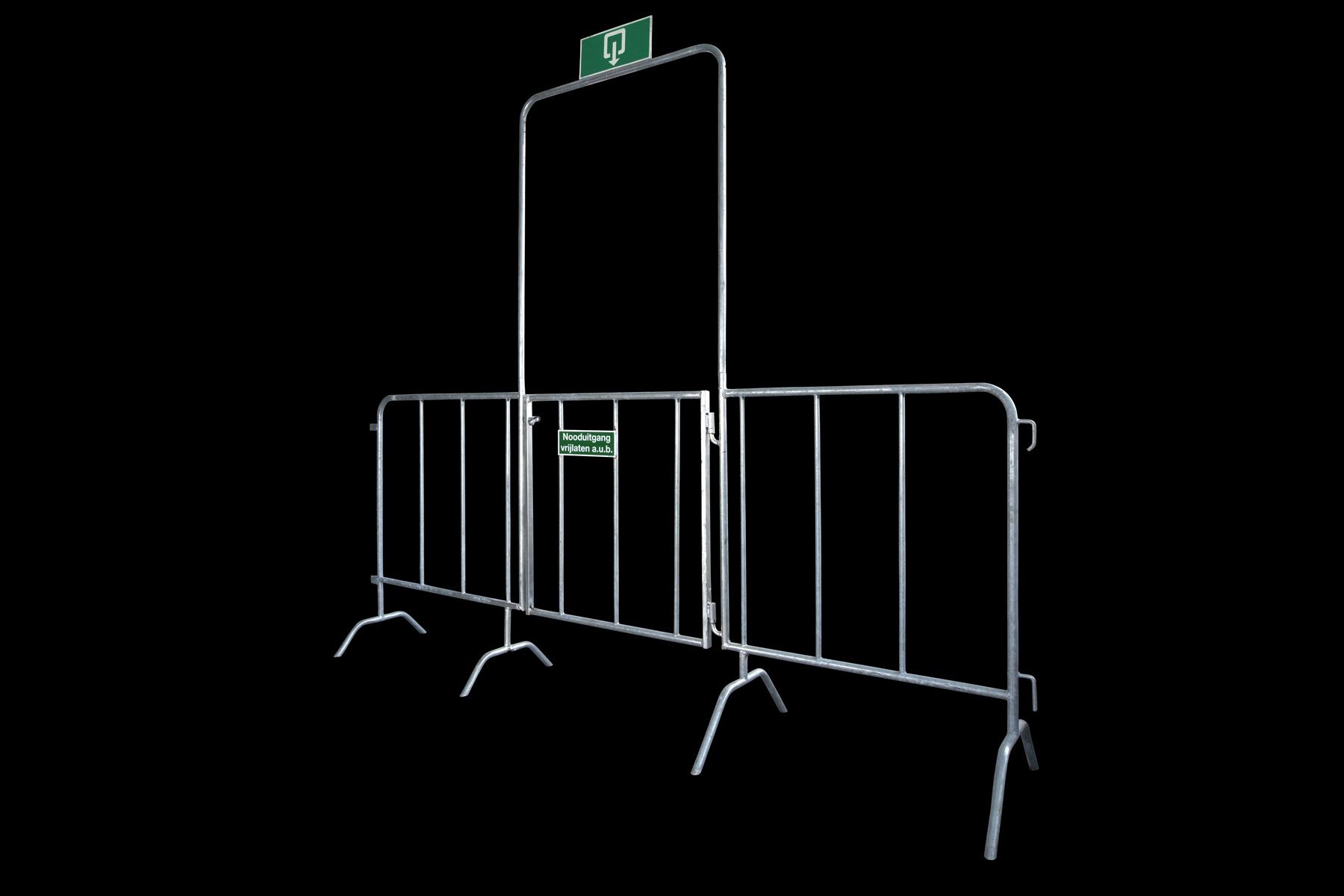
The guy called the police on me. He'd been watching me dismantle a fence. I tried convincing him I was improving public space. He kept walking, shouting threats. I had maybe three minutes to get out.
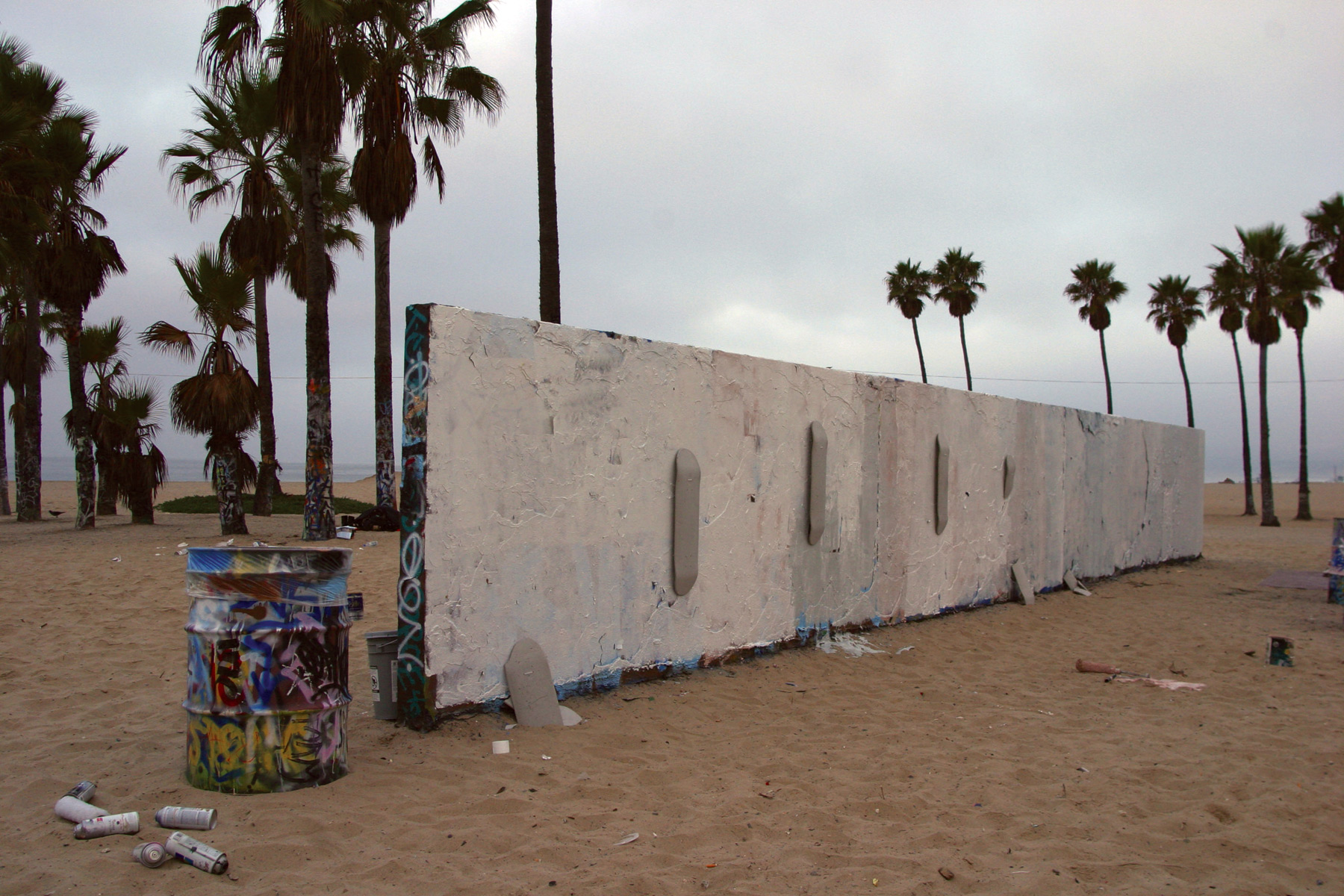
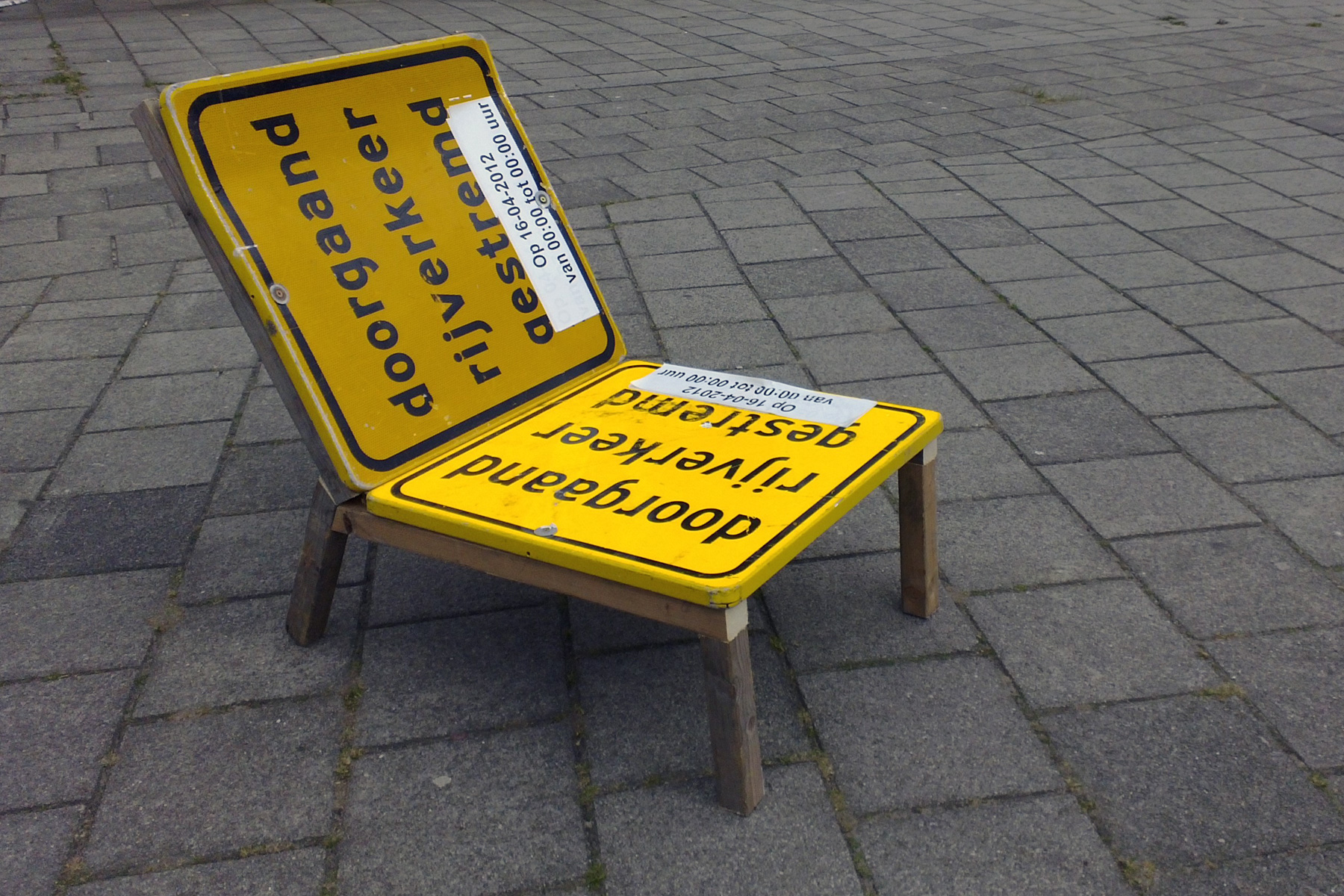
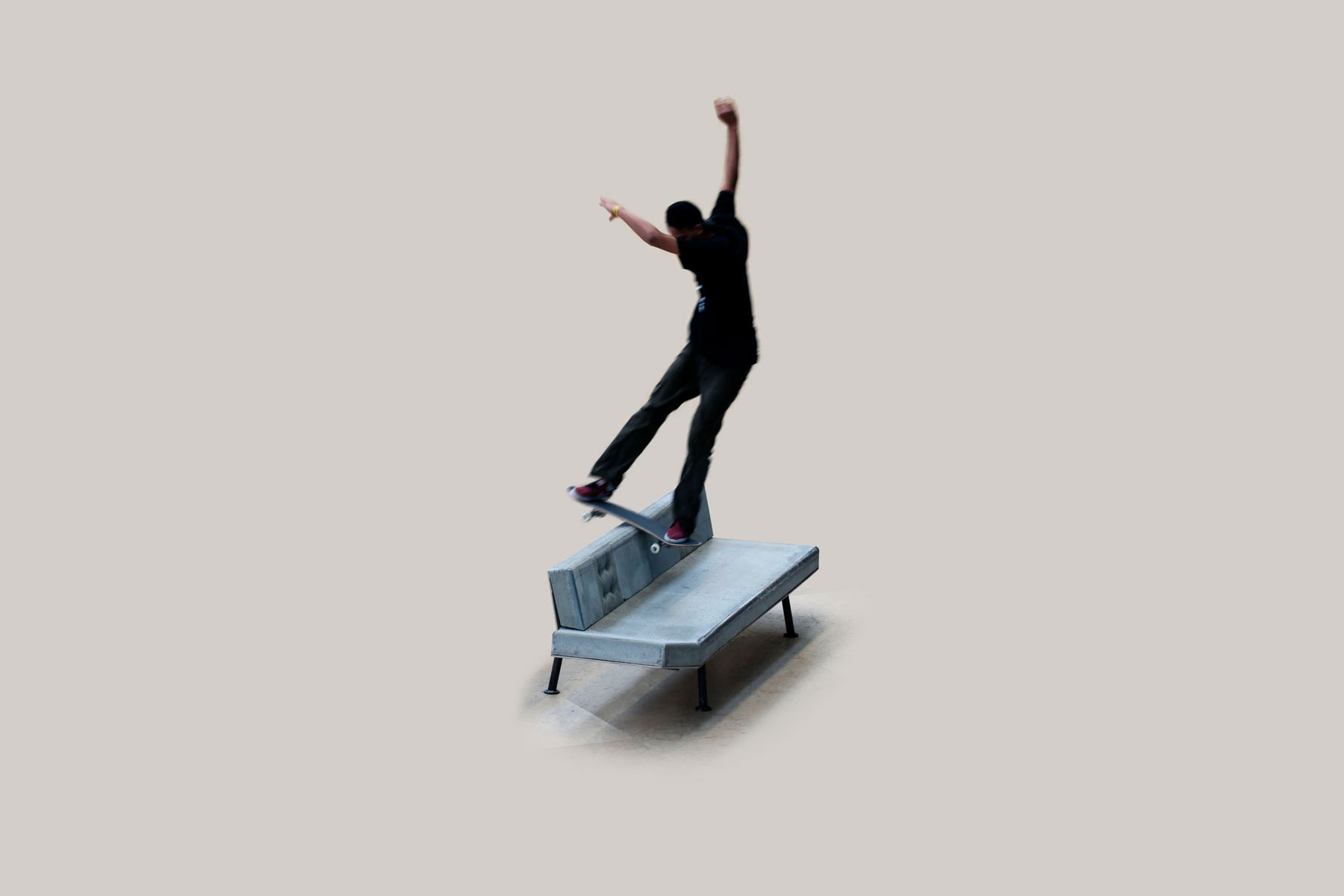
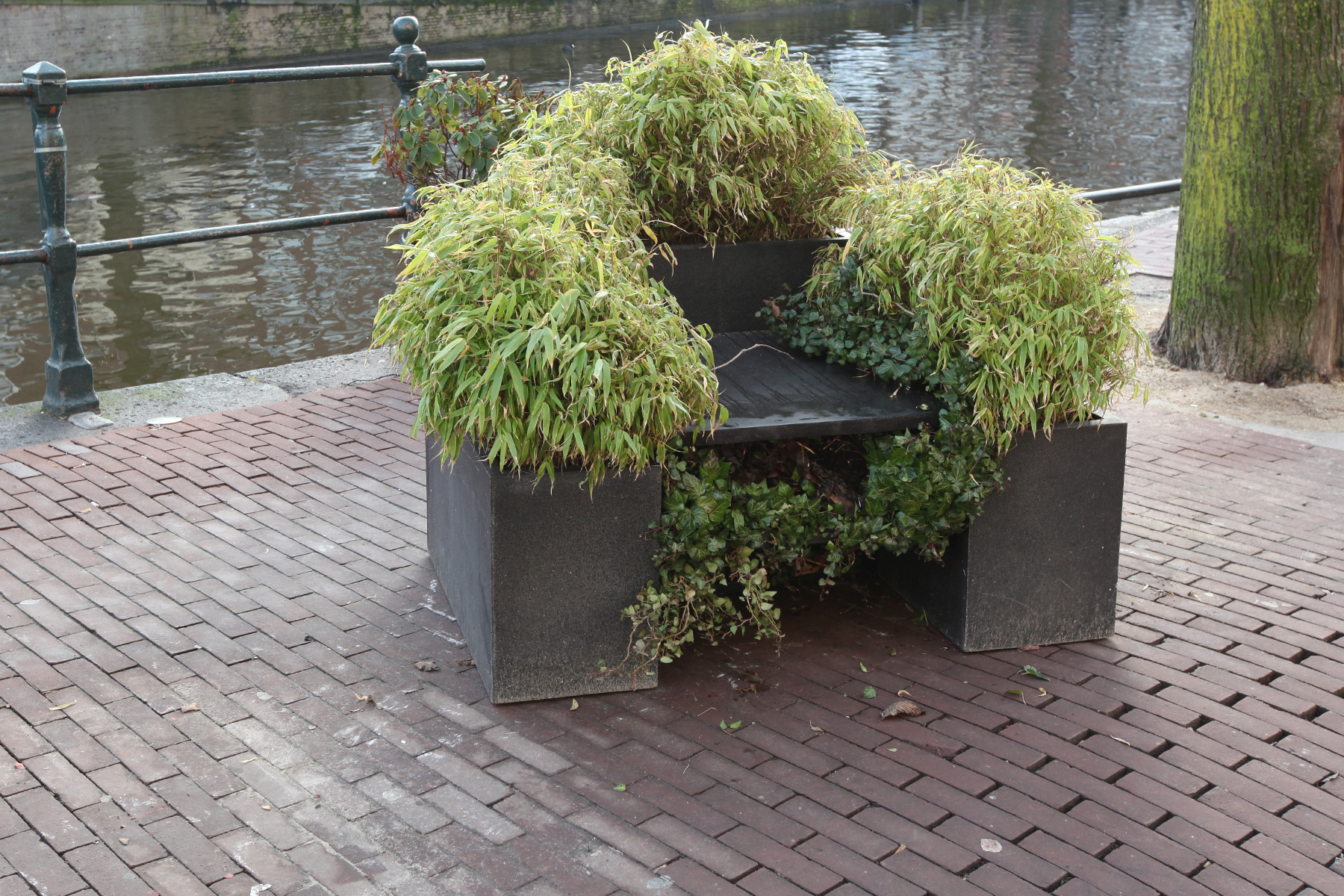
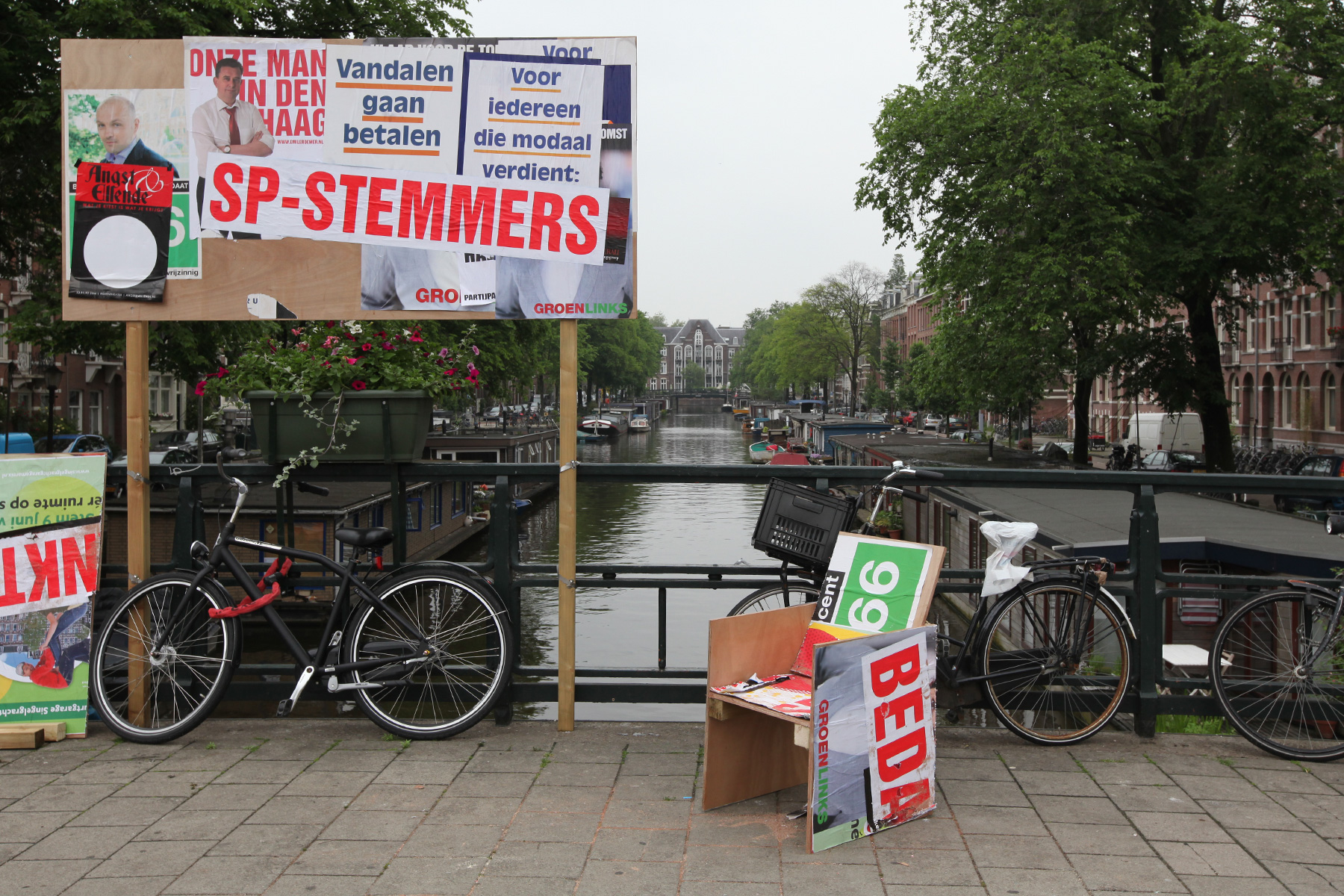
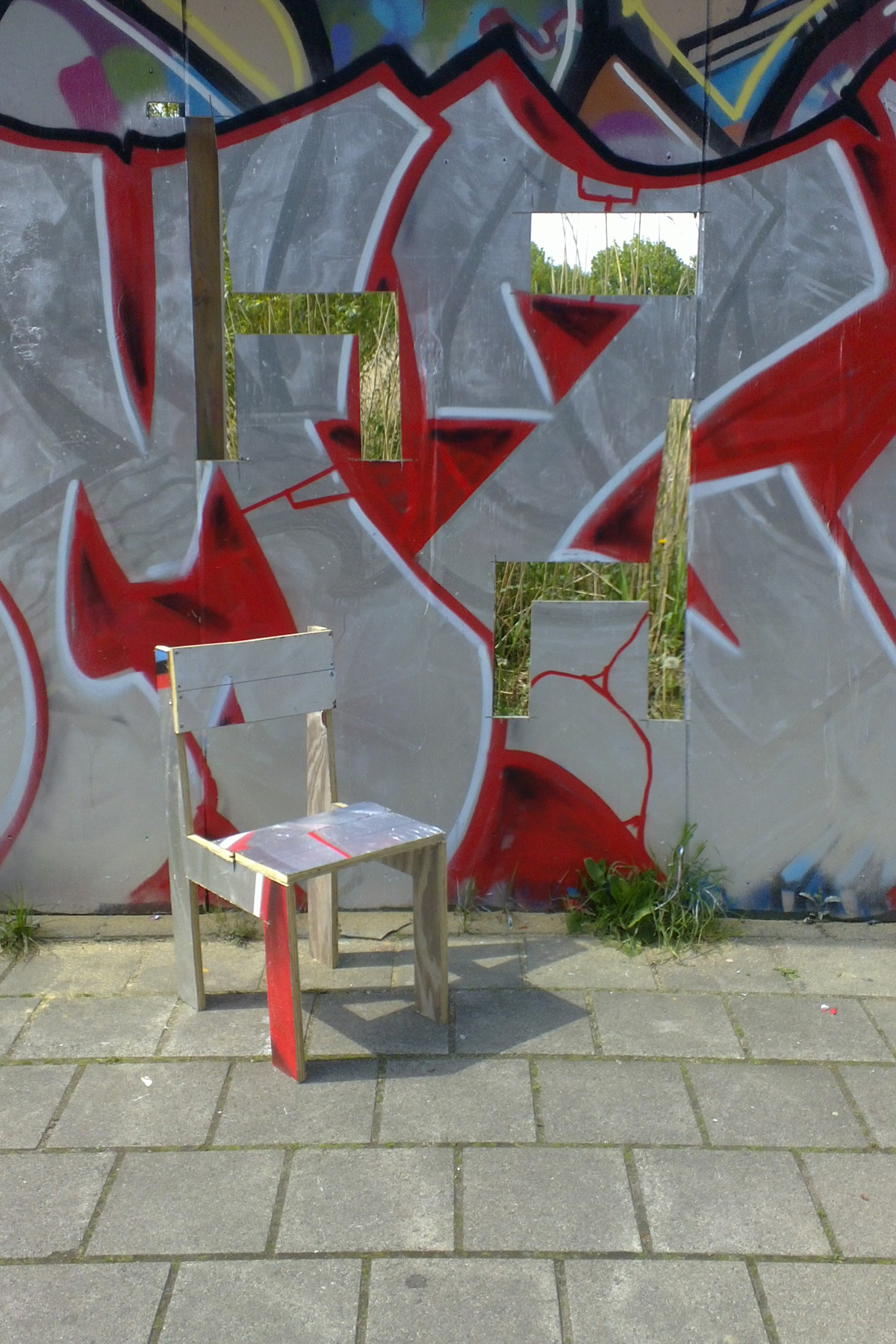
Between 2008 and 2010 I built ten pieces of street furniture in Amsterdam. Chairs, benches, a picnic table. Made on the street, from the street, left where they were made. No permission, no plan.
Around the same time Dutch design was producing chairs that sold for the price of a small car. Limited editions, named makers, design as art with gallery handling included. The work happened in studios, with the sole intent to be displayed, not used. Skill was measured by the price tag.
Monday to Wednesday, around 10am. Late enough that the police have better things to do. Early enough that anyone passing assumes you're supposed to be there. I'd walk out with a bag of tools, some screws, and no fixed plan. Whatever was available that morning was what I was working with. Road signs, planter boxes, scaffold planks, fences, election billboards. The material dictated the design, and the city supplied the materials.
There were two questions running underneath. The first was whether the same value mechanism the Dutch design world ran could be inverted, and still produce value. Build fast, in public, from things nobody owns, using improvisation that can't be planned and can't be repeated. The second was who decides on public space. The fence I was dismantling was technically the city's. The chair I was making was mine. To whom does the chair belong?
That morning I finished as fast as I could, packed up and was around the corner when the police car arrived. The chair stayed where I made it, along with the holes in the fence.
The museum didn't show the works and Red Bull cancelled the Creative Studio shortly after.
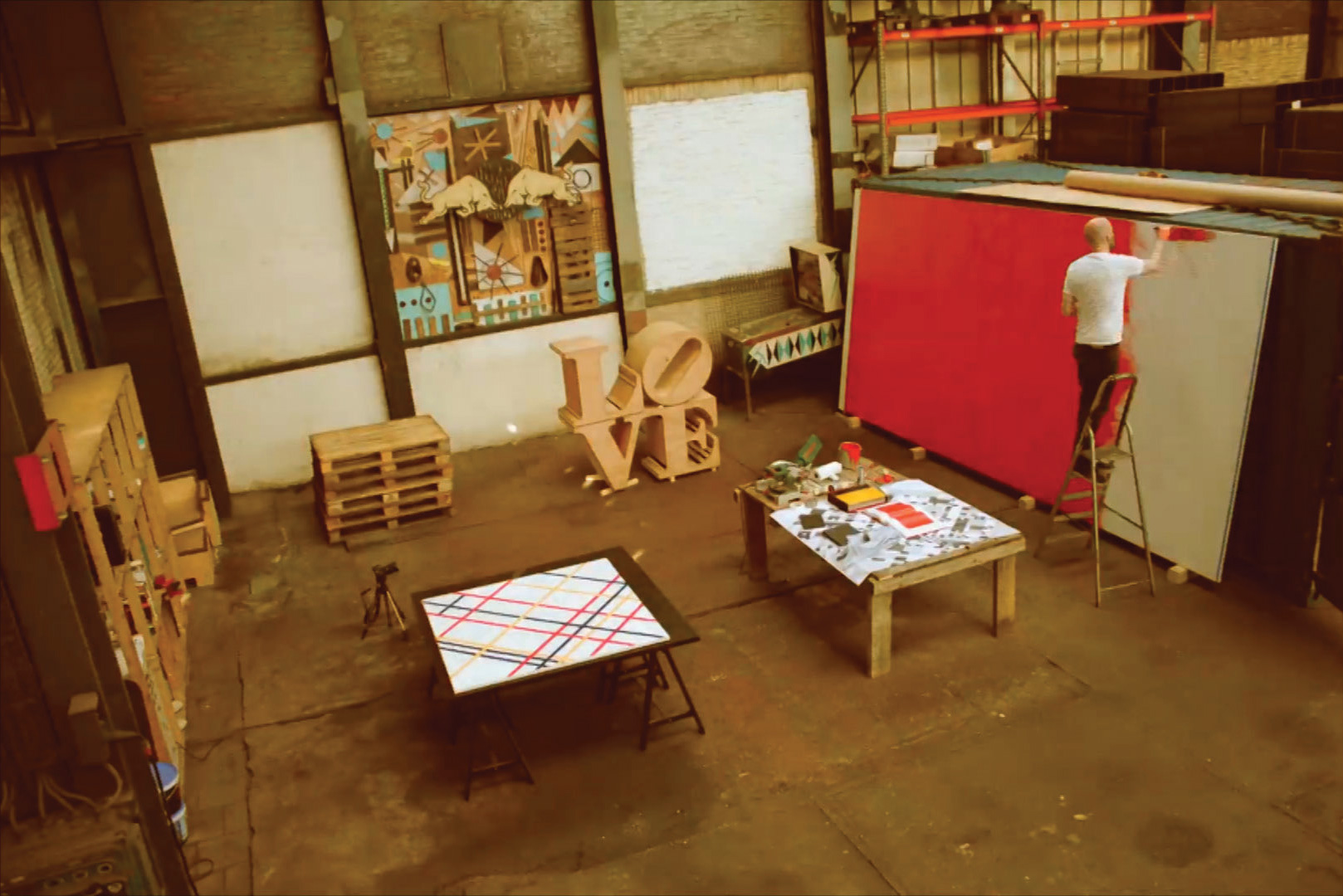
In 2012 they, Red Bull and Centraal Museum in Utrecht, had launched it together. A new artist residency with a real budget and full creative freedom. I was invited to do the pilot.
Full creative freedom. One gives you wings and the other holds the canon. Different reasons, but both wanted to mean it.
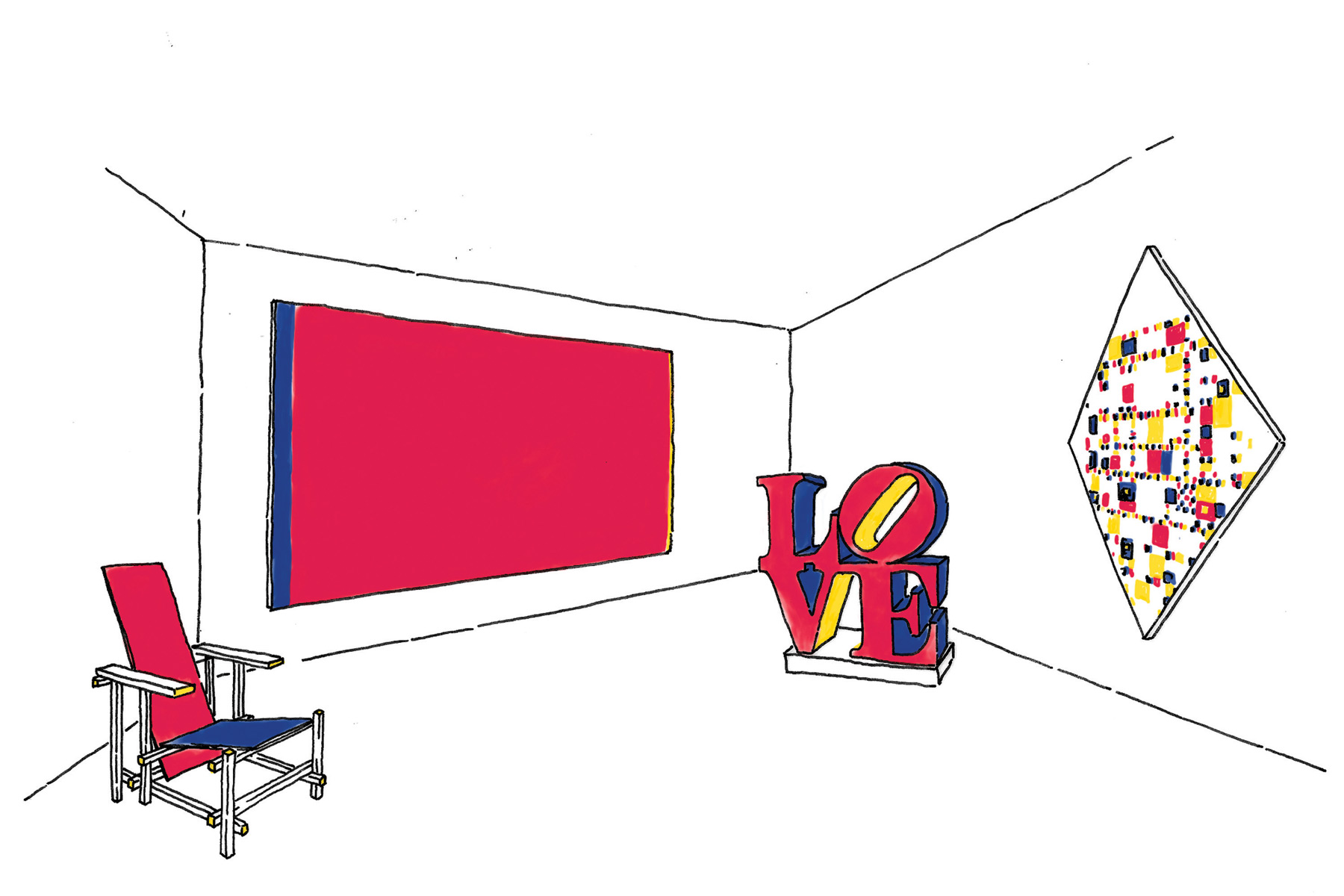
So, to test that, I made forgeries. Exact replicas of Barnett Newman's Who's Afraid of Red, Yellow and Blue, Mondriaan's Victory Boogie Woogie, Rietveld's Red Blue Chair, Robert Indiana's LOVE. Iconic works, all of them, translated precisely into Red Bull brand colours.
A residency is the safe version of the practice. Studio, stipend, exhibition at the end. The conditions that usually shape the work are smoothed out. There is very little chance of failure, unless you raise the stakes. The no becomes the feature.
They did show the documentary.